Inception Labs announces Mercury 3, a new version of its diffusion-based large language model, claiming improved scalability and speed over traditional autoregressive models. The post is a company blog detailing the architecture and performance of the model.
International
International developer, security and startup news, picked for Iceland's tech community.
Popular WordPress SEO Plugin Rank Math PRO Hijacked to Deliver Self-Restoring Backdoor
Copies of the paid WordPress plugin Rank Math PRO distributed from rankmath.com or pushed as updates during an 11-hour window on October 15–16 were found to contain malware. Rank Math warns that any site which installed and activated these versions should be treated as compromised, as the backdoor can restore itself.
Degraded availability for GitHub Actions, GitHub Pages and Webhooks
GitHub reported degraded availability affecting GitHub Actions, GitHub Pages and Webhooks, according to its status page. The incident may disrupt automated workflows, site deployments and integrations relying on these services.
Production-grade LLMs and agents: a field guide
The post outlines a maturity model for moving AI agents from an impressive demo to a dependable production system. It includes a self-assessment tool and links to deeper dives on each layer of the process.
Ontology-Driven Observability: Building an End-to-End Knowledge Graph at Netflix
Netflix engineers describe building an ontology-based knowledge graph that unifies services, infrastructure and telemetry into a single coherent model for observability. The approach aims to improve root-cause analysis and system understanding at Netflix's scale.
JEP 543 Finalizes Structured Concurrency in JDK 28, Ending Seven Preview Rounds
JDK 28 finalizes structured concurrency via JEP 543, matching JDK 27's API with no further changes. Developers on JDK 27 simply drop the preview flag, while code targeting JDK 25 or 26 needs updates for the new exception type and timeout joiner callback.
Meta details the engineering behind Prometheus, a new gigawatt-scale AI supercluster built on Nvidia GB200/GB300 chips. The piece covers the data center design, power requirements and networking needed to operate compute at this massive scale.
A hacker used a large army of automated AI agents to breach systems at major companies including John Deere, SharkNinja and Cummins. The case highlights how AI tooling can make large-scale cyberattacks faster and more accessible than before.
⚡ Weekly Recap: 98 Zero-Days, Rogue AI Agents, $100M Crypto Theft, 700 Supermarkets Hit and More
This weekly Hacker News roundup covers major cybersecurity incidents, including numerous newly disclosed vulnerabilities, cases of AI agents acting unexpectedly, and a large-scale cryptocurrency theft. It also details an attack affecting roughly 700 supermarkets and ongoing exploitation of hardware and legacy software flaws.
F5 has issued emergency security patches for NGINX after several vulnerabilities were discovered, including three rated critical. The flaws could allow attackers to execute arbitrary code on affected servers, making prompt patching important for anyone running NGINX.
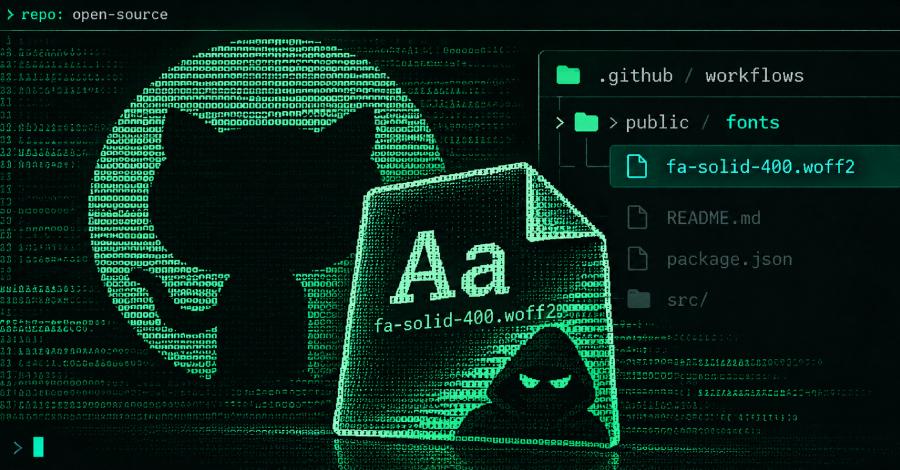
GhostAction Attackers Plant Credential Stealer Disguised as Font in 94 GitHub Repositories
The group behind the GhostAction supply-chain attack has expanded beyond malicious GitHub Actions workflows to phishing open-source developers with a credential-stealing malware disguised as a font file. Researchers at OpenSourceMalware found the malware planted across 94 GitHub repositories, showing the attackers adapting their tactics.
A Hacker News discussion thread where a user asks how development teams should handle shipping growing amounts of AI-generated code that programmers don't fully understand. Replies touch on accountability, code review practices, and maintaining technical competence as teams lean more on AI coding assistants.
Article: From Microservices to Agents: The Next Evolution of Distributed Systems
The article argues that distributed systems are evolving from microservices toward agentic AI architectures, shifting the focus from functional decomposition to decision decomposition. This shift brings new challenges for observability, reliability and system design that require updated architectural practices.
Some Git over HTTPS may temporarily require authentication
GitHub says that during periods of unusual traffic it may temporarily require authentication for some HTTPS clones and fetches of public repositories to protect site availability. This is not a blanket authentication requirement, and GitHub recommends automated systems use tokens such as GITHUB_TOKEN or GitHub App tokens for more reliable operations.
Fake Web3 Accelerator Uses npm Packages to Spread Malware and Hijack AI Agent Traffic
Security researchers at Elastic uncovered a fake Web3 accelerator that lures developers with promises of free AI credits for Claude and Gemini, coding tools, and security audits. The malicious npm packages actually install information-stealing malware and backdoors on both Windows and macOS systems.
EmbeddingGemma 2 Expands Beyond Text to Support Code, Images, Video, and Audio
Google has released EmbeddingGemma 2, an open-weight, compact embedding model based on Gemma 4 and licensed under Apache 2.0. The model now supports multiple modalities beyond text—code, images, video, and audio—aimed at efficient semantic search and RAG workloads optimized for on-device use.
Mistral AI has released Timestral, a new family of foundation models built specifically for time-series forecasting tasks. The models aim to predict trends in data such as demand, traffic or financial metrics without requiring task-specific training.
Microsoft: October Windows Server updates break Exchange sign-in, mail flow
Microsoft has confirmed that this month's Windows Server security updates are breaking OWA sign-in and mail delivery on some Exchange Server systems. A fix is pending, and admins running on-premises Exchange should monitor the issue closely before deploying further updates.
.NET 11 Release Candidate 2: Go-Live License and Updates Across Libraries, F#, MAUI, and WinForms
Microsoft has released .NET 11 Release Candidate 2 under a go-live license, supported in Visual Studio 2026 Insiders. It adds experimental post-quantum cryptography APIs, F# async building blocks, a new MAUI UI option, NuGet package cooldowns and refined WinForms styling.
NestJS 12: ESM Packages, Standard Schema Validation and Native Observability
NestJS has released version 12, moving core packages to ESM and adding Standard Schema validation support. The update also brings a refreshed CLI, a new observability SDK, and project lifecycle hooks, while requiring Node.js 20.19+ or 22.12+.
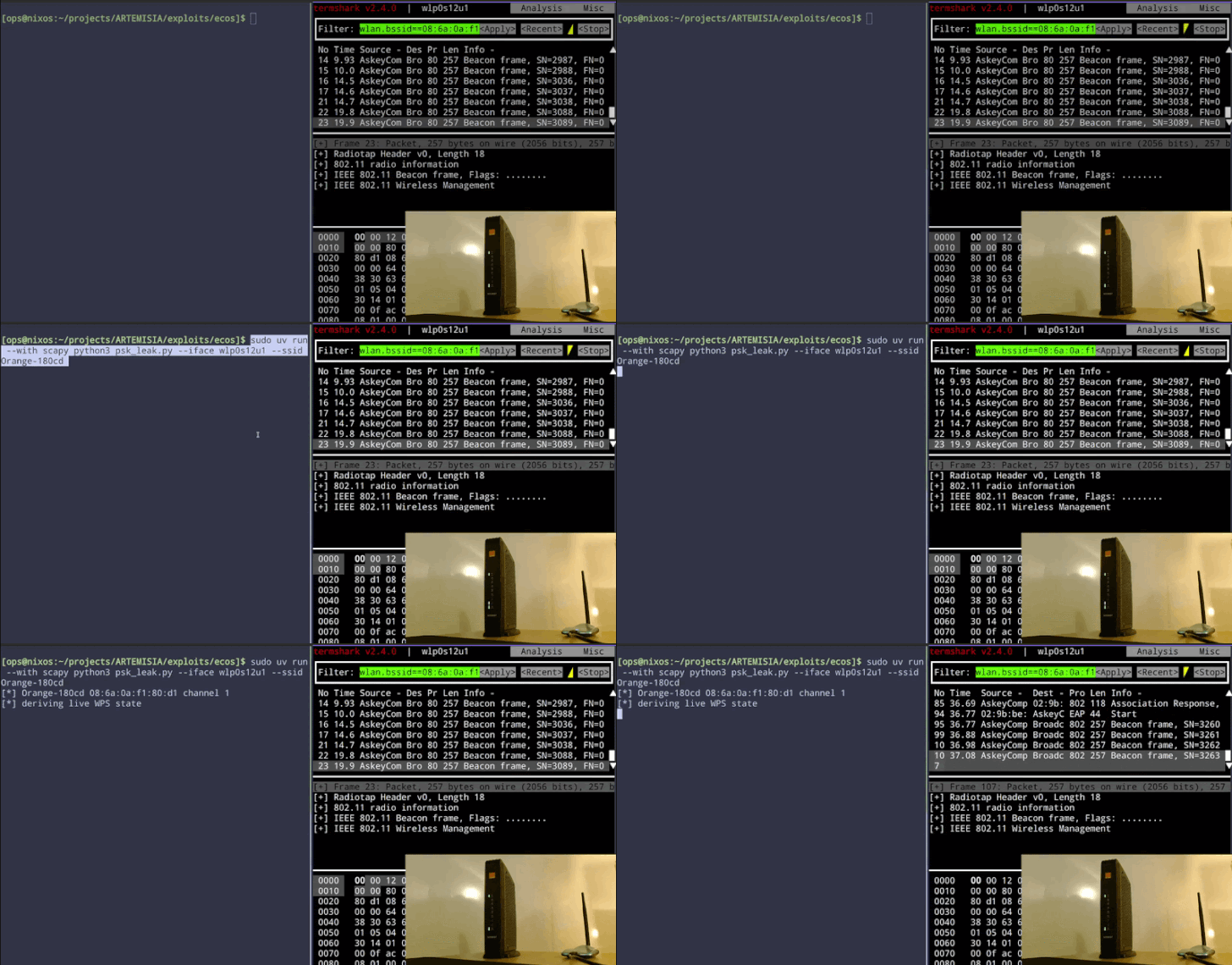
Security researcher Quentin Kaiser disclosed an unpatched flaw in Broadcom's Wi-Fi setup software that lets an attacker within radio range execute code as root on Broadcom-based routers, with no password or pairing required. He demonstrated the attack against home gateways from three Belgian ISPs, in one case extracting the Wi-Fi password.
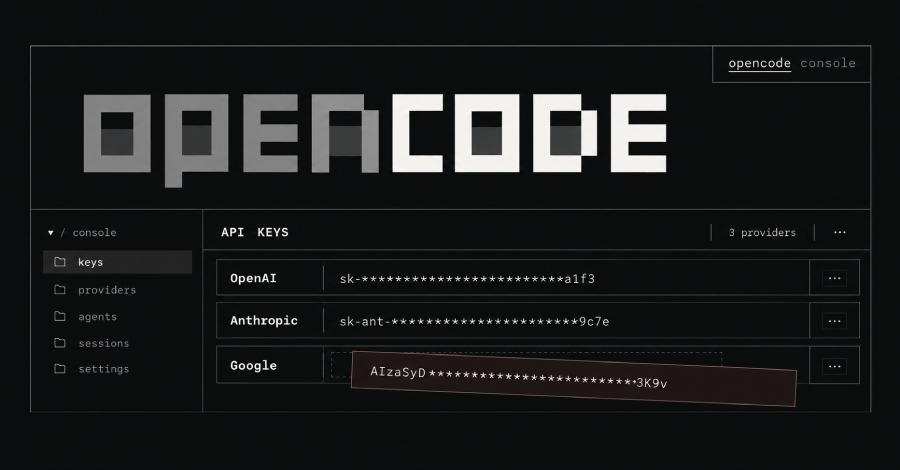
OpenCode Console Breach May Have Exposed OpenAI, Anthropic, and Google API Keys
An attacker accessed a legacy OpenCode system on the night of October 16, potentially exposing third-party API keys—OpenAI, Anthropic and Google—that users had stored in the optional OpenCode Console service. Console uses saved keys to call AI providers on behalf of teams, raising concerns about downstream misuse.
Hybrid Reasoning Agents: 35–55% fewer tokens and up to 2.6× faster inference
A new research paper proposes a hybrid reasoning approach that combines fast and deliberate reasoning modes to cut unnecessary computation in language models. The method reportedly reduces token usage by 35–55% and speeds up inference by up to 2.6x while maintaining accuracy.
The article examines how more websites are blocking AI agents that browse on behalf of users, citing concerns over server load, copyright, and lost ad revenue. It highlights a growing tension between AI-driven automation and the traditional web business model.